
Diagnosed with Haglund's deformity! My secret to deal with it
How I kept running 1,500+ miles with a bony heel bump that almost ended my athletic career
My desire to run triumphed over a dodgy heel. Here is how I dealt with Haglund's deformity and kept training.
In my early 30s, while still living in Colombia, I was diagnosed with a condition that would change the way I approach every step I take. Haglund's deformity — a bony enlargement on the back of the heel — became a reality I had to learn to live with. It was a diagnosis that felt overwhelming at first, but it ultimately shaped my journey as an endurance athlete in ways I never expected.
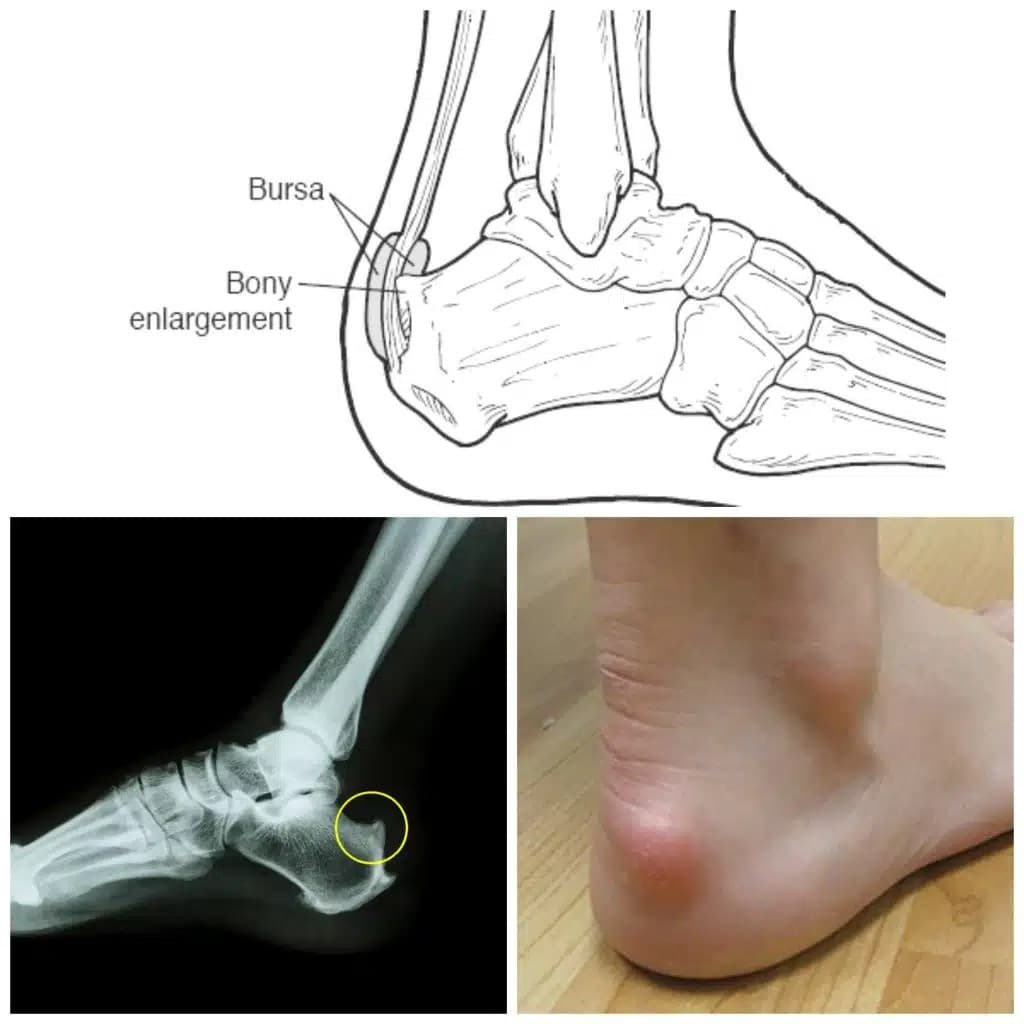
Haglund's deformity is a bony bump that forms on the back of the heel bone, right where the Achilles tendon attaches. It's often caused by pressure from rigid-backed shoes, but genetics and foot structure also play a role. The bump can irritate the bursa — a fluid-filled sac between the tendon and the bone — leading to painful inflammation known as bursitis. For over 8 years, I endured the discomfort, the flare-ups, and the frustration of a condition that made every run, every walk, and every step a negotiation with pain.
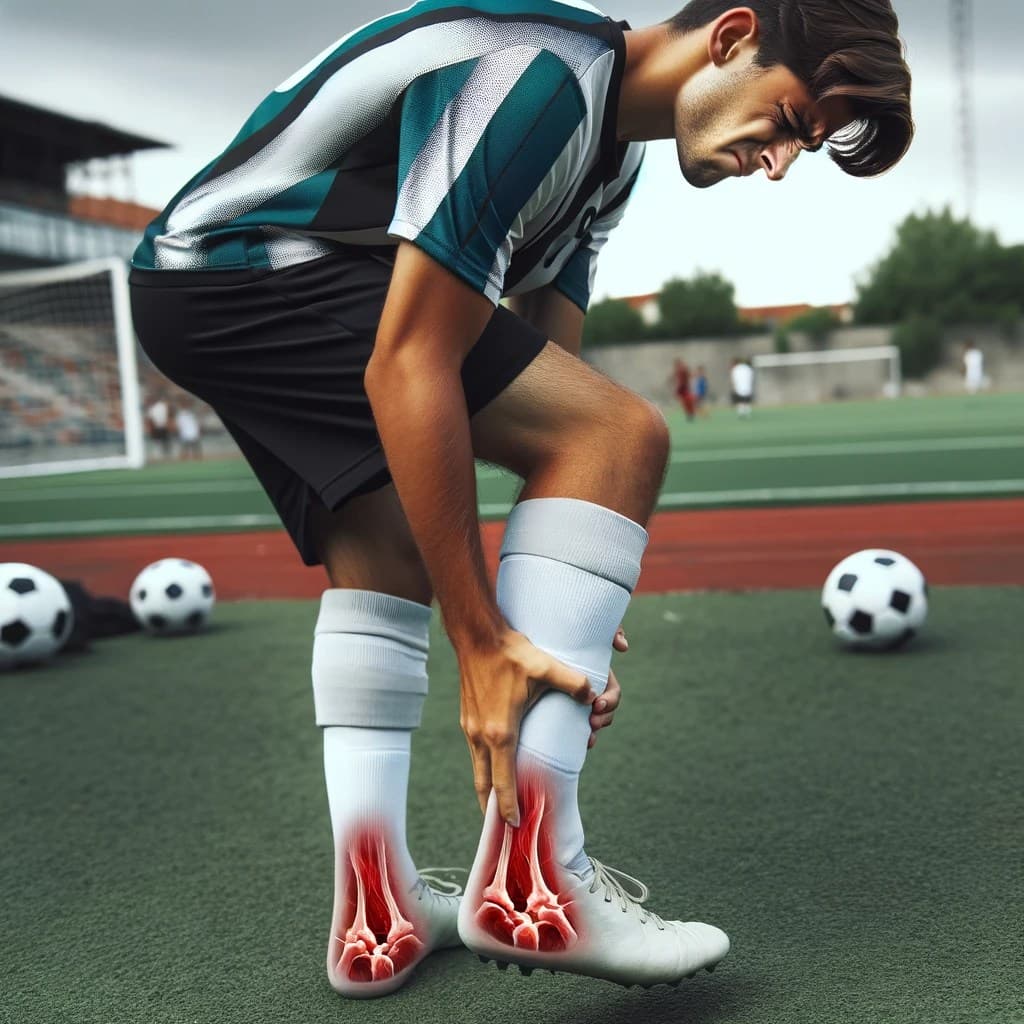
When I moved to Brisbane, Australia, I joined a local soccer league hoping to stay active and meet new people. But the pain in my heel became unbearable. Every sprint, every change of direction sent sharp jolts through my foot. I was forced to withdraw from the league entirely. Things got so bad that even walking for my UberEats delivery job became a struggle. I found myself limping through shifts, dreading every order that required me to walk long distances. Eventually, I had to accept a more passive lifestyle — a reality that was incredibly hard to swallow for someone who had always been active.
How did I overcome this challenge, you ask?
The truth is, the condition hasn't gone away. Haglund's deformity is a structural issue — it doesn't just disappear. But what I've learned over the years is that managing and mitigating the symptoms is entirely possible. Today, I've logged over 1,500 miles of running and completed multiple races, all while living with this condition. Here are the strategies that have made it possible:
Proper Footwear — This was the single biggest game-changer. I switched to running shoes with absolutely NO rigid heel counter. The heel counter is the stiff part at the back of most shoes that cups your heel. For someone with Haglund's, that constant friction against the bony bump aggravates the bursa and causes inflammation. By choosing shoes with a soft, flexible heel or no heel counter at all, I drastically reduced the irritation and could run without that stabbing pain.
Stretching and Strengthening — I committed to a daily routine of Achilles tendon and calf stretches and strengthening exercises. Eccentric heel drops, calf raises, and gentle ankle mobility work became non-negotiable parts of my day. I also made a habit of staying barefoot at home as much as possible, which helped strengthen the intrinsic muscles of my feet.
Gradual Progression — I learned to respect the 10% rule: never increase your weekly mileage by more than 10%. In the beginning, I made the mistake of jumping from a 5K to a 10K too quickly, and my heel paid the price. Slow, steady progression gave my body the time it needed to adapt without triggering a flare-up.
Cross-Training — Swimming became my best friend. On days when my heel was too sore to run, I'd hit the pool for a low-impact workout that kept my cardiovascular fitness up without pounding my feet. I also incorporated cycling and other low-impact activities into my routine. One of my favorite recovery strategies is a 10-minute easy swim right after a long run — it helps flush out inflammation and gives my feet a break.
Monitoring Symptoms — Perhaps the most important lesson I've learned is distinguishing between normal soreness and actual pain. Soreness after a hard workout is expected; sharp, localized pain in the heel is a warning sign. I had to learn to accept when it was time to stop, take a rest day, or modify my training. Pushing through real pain only sets you back further.
Andres.
Haglund's deformity tried to sideline me, but it taught me more about resilience than any race ever could. If you're dealing with it too — don't give up. Adapt, manage, and keep moving.