
Triphasic Training: The Framework That Changed My Running Game
Base, Support, Specific — the 3-phase model that built my Ironman run fitness
The Triphasic Model divides training into three phases — Base, Support, and Specific — that build on each other to optimize performance.

The Triphasic Model is a structured training framework that can transform how you approach endurance sports. Whether you're training for a marathon, a triathlon, or any long-distance event, this model provides a proven roadmap for building fitness systematically.
What is Triphasic Training?
The Triphasic Model is a training framework originally proposed by Skinner and McMillan in 1980. It divides training into three distinct phases that build on each other: Base, Support, and Specific. Each phase has a clear purpose, and rushing through any of them limits the potential gains in later phases.
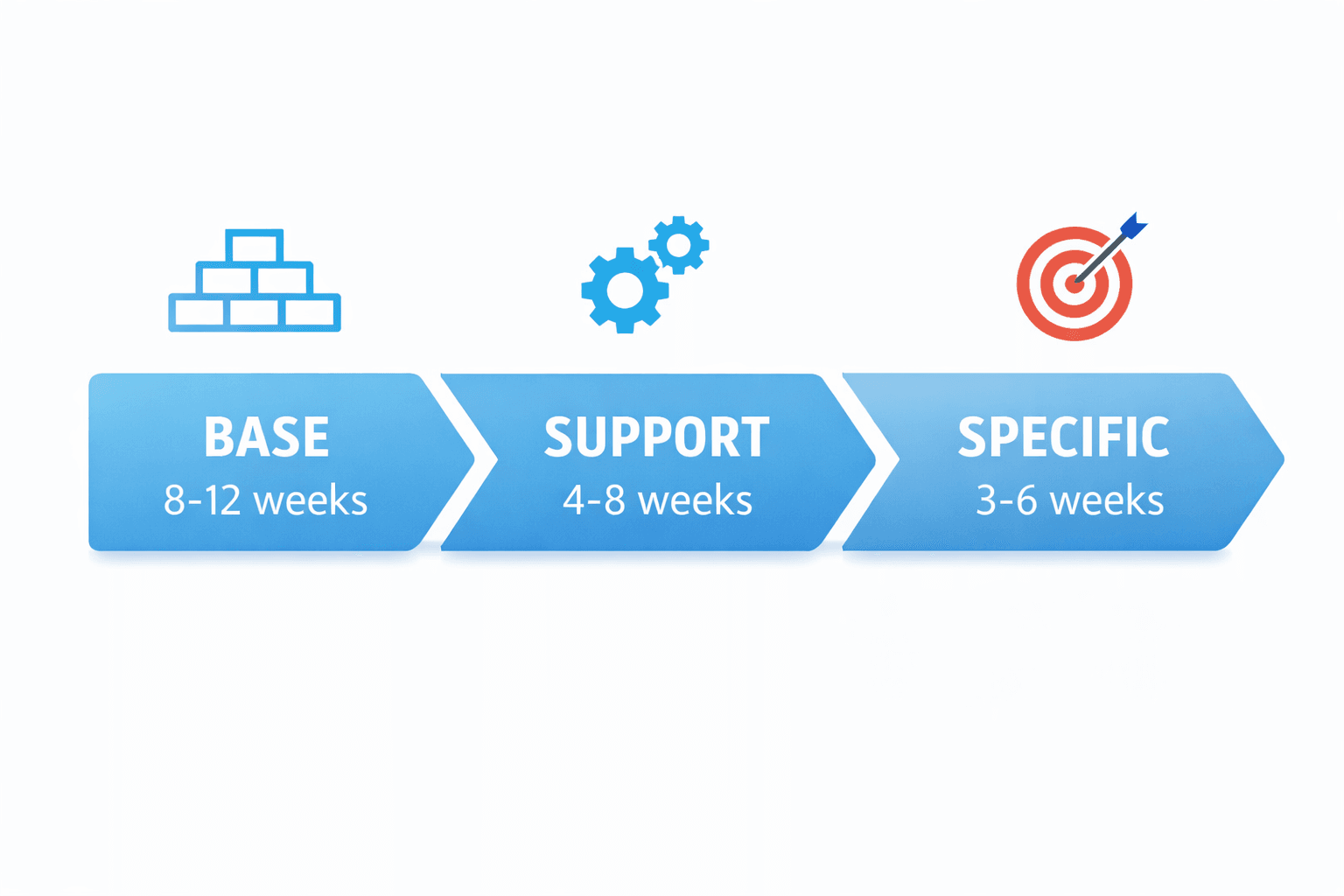
The three phases: Base → Support → Specific
Think of it like building a house. You wouldn't start hanging pictures before the walls are up. The Base phase is your foundation. The Support phase is framing and structure. The Specific phase is the finishing touches before move-in day — or in this case, race day.
Phase 1: Base Training (8-12 weeks)
Base training establishes the physiological foundation for all subsequent training. The primary focus is building aerobic capacity, but — and this is important — it's not just slow running.
During this phase, the body develops increased aerobic capacity, builds capillary networks for better oxygen delivery, and creates the muscular endurance needed for later phases. The key principle: this phase is non-negotiable and must not be rushed.

A typical base training week includes mostly easy runs and a long run that gradually increases. However, base training also incorporates short intervals at speeds faster than race pace. These brief high-intensity efforts help develop neuromuscular efficiency and maintain leg turnover without compromising aerobic development.
The combination of long slow distance and short fast intervals creates a broader training stimulus that prepares the body for the more demanding phases ahead.
Phase 2: Support Training (4-8 weeks)
Once the base is solid, training moves into the Support phase. This is where faster paces are introduced while maintaining aerobic volume.
During this phase, athletes train at paces both slower AND faster than goal race pace — but very little training happens exactly at goal pace. The idea is to stress the aerobic system from both ends to develop lactate threshold, improved running economy, and the ability to sustain faster paces.
A typical Support phase week includes three quality workouts:
Fast Quality — Speed work above goal pace (tempo runs, intervals)
Endurance Quality — Sustained efforts at or slightly below goal pace
Long Run — Extended efforts with varied paces
Phase 3: Specific Training (3-6 weeks)
The Specific phase fine-tunes fitness with race-pace efforts. Despite the name, not ALL training happens at goal race pace. There's a higher proportion of goal-pace work compared to earlier phases, but maintenance runs and strategic recovery are included to manage fatigue.

The Specific phase typically runs about 4 weeks of key workouts, followed by a maintenance period, and then a 7-10 day taper before race day. The goal is to arrive at the starting line fully prepared — not overtrained and exhausted.
The 80/20 Principle
Research on elite marathoners found that nearly 80% of their mileage was run at a pace slower than race pace. The fastest runners in the world spend most of their time running easy.
Even more striking: just 4% of running may yield 64% of results. This means most training should be easy, with only a small amount of targeted specific training yielding massive gains. The triphasic model embraces this by front-loading easy aerobic work and saving race-specific efforts for when they matter most.
Common Mistakes to Avoid
Rushing Base Training — Commit to 8-12 weeks. No shortcuts.
Too Much Goal Pace Too Early — Save goal-pace work for the Specific phase.
Training in the "Gray Zone" — Too many runs at moderate intensity that are neither easy enough for recovery nor hard enough for adaptation.
Skipping the Taper — Reduce volume by 40-60% in the final 7-10 days. Trust the fitness.
Neglecting Strength Training — Strength sessions are critical for injury prevention and power development. Don't skip them, even when time is tight.
Poor Recovery — Easy runs should be truly easy. Prioritize sleep and nutrition.
Quick Reference
| Phase | Duration | Focus | Intensity |
|---|---|---|---|
| Base | 8-12 weeks | Aerobic foundation | Long slow + short fast intervals |
| Support | 4-8 weeks | Build race fitness | Varied (slower + faster than race pace) |
| Specific | 3-6 weeks | Peak performance | Goal race pace + taper |
The triphasic model isn't complicated, but it requires patience and trust in the process. The gains come from doing the right training at the right time — not from doing the most training or the hardest training.
My Experience: Ironman 140.6
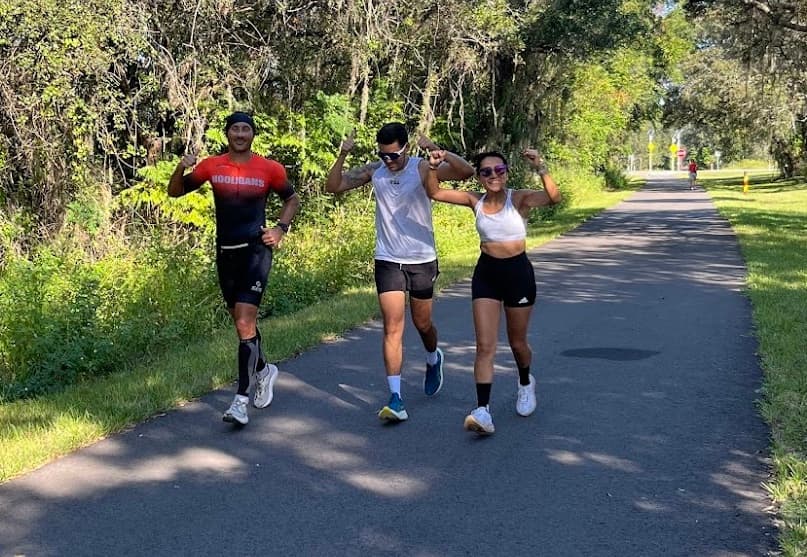
I used the triphasic model to train for my Ironman 140.6, and it was a game changer. My coach Robin Sandos introduced me to the basics of this model and guided me through applying it to triathlon training.
I applied the framework across all three disciplines — swim, bike, and run — though I'll be honest: swimming got less attention than the others due to my time constraints.
One of my biggest challenges was frequency. I couldn't always hit the ideal number of sessions per week that the model suggests. Life gets in the way. I also barely made it to the gym for strength training, which in hindsight was a mistake. If I could go back, I'd prioritize those strength sessions more — they're critical for injury prevention and maintaining power, especially in the later stages of a long race.
My advice if you're short on time: double down on your weakest discipline. For me, that should have been swimming. When you can't do everything, focus the limited time you have where it will make the biggest difference.
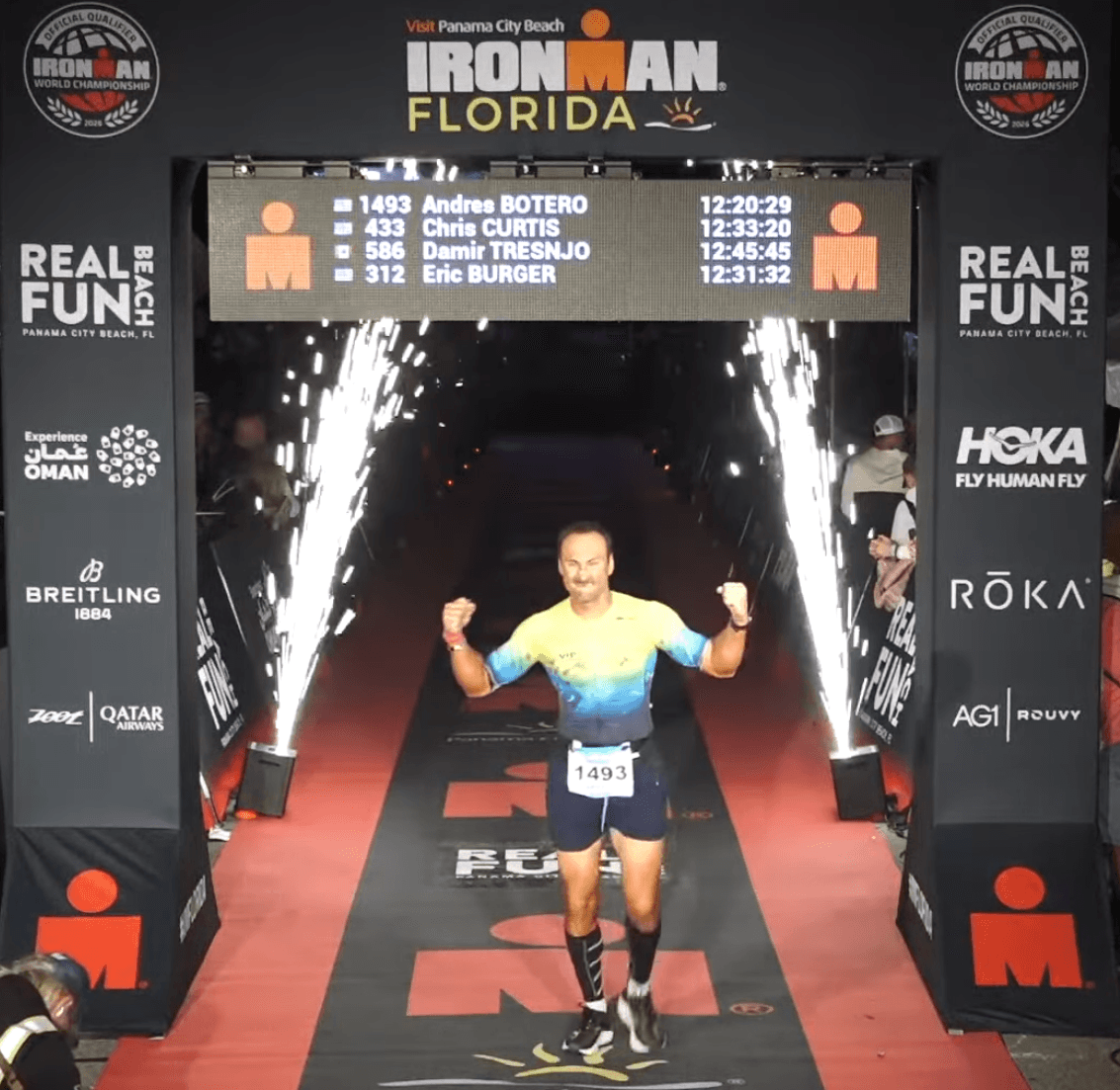
As for my race goals, I kept them conservative. My target speeds for the swim, bike, and run were deliberately modest. I wasn't chasing a podium — I was focused on one thing: finishing the race in Zone 2, staying aerobic, and crossing the finish line close to the 12 hours mark.
And I did it. The triphasic model gave me the structure to build the fitness I needed, and the discipline to trust the process even when progress felt slow.
If you're training for a long-distance event, give this framework a shot. Your race-day self will thank you.
Andres.
The triphasic model taught me that patience is a training tool. Trust the process, do the right training at the right time, and your race-day self will thank you.